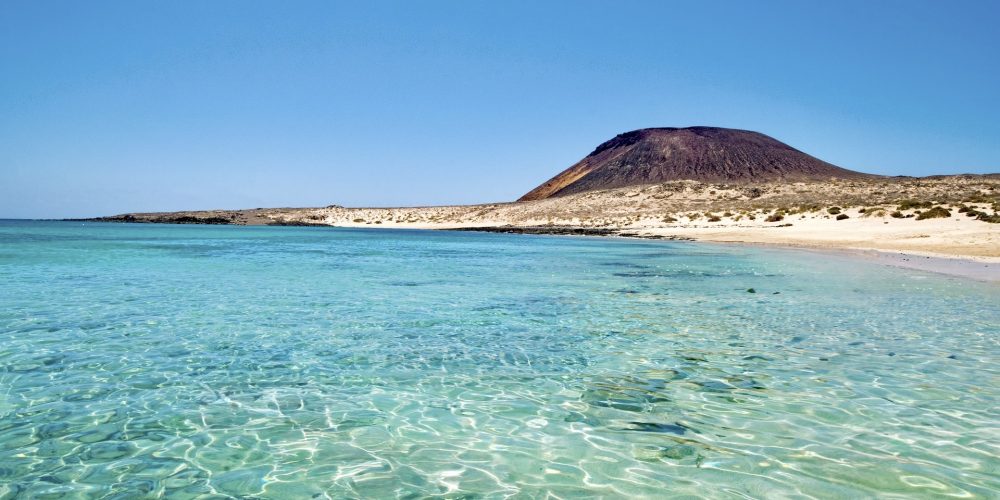

Canary Islands Guide: 8 Islands, 8 Different Vacations
The Canary Islands are among the most rewarding destinations for year-round vacations. Discover Gran Canaria, Lanzarote, La Palma, and more. They are relatively close to each other, but each island has its own character. Some excel in long sandy beaches and hotels along the promenade, others in mountains, hiking trails, volcanic landscapes, or absolute tranquility. When choosing ‘the right’ island, it’s worth considering not just the price of the flight, but mainly the type of vacation you want to have.
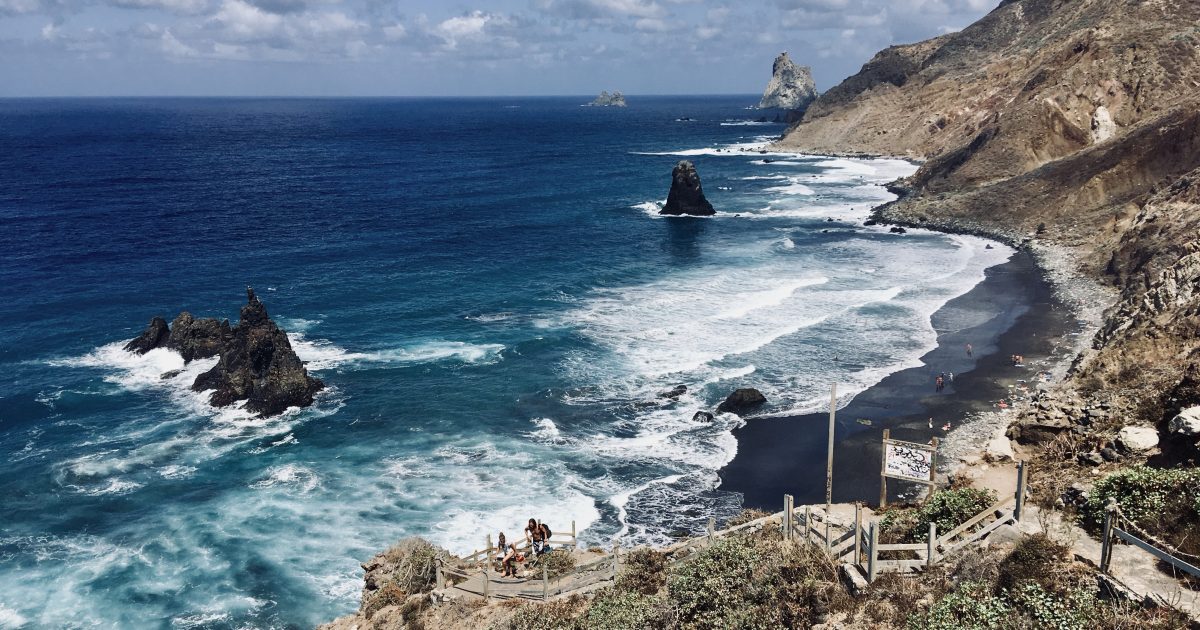
Tenerife – Benijo
Below, I’ve prepared a “Canary Islands Guide” for your journey, where you’ll find an overview of all 8 inhabited islands and we’ll specifically discuss which one suits whom.
Canary Islands – Island Guide
1. Tenerife: A universal choice for first-time visitors to the Canary Islands
Tenerife Island is suitable for both families and couples and is ideal for a first trip to the Canaries. It offers a combination of beach holidays and many excursions or hikes.
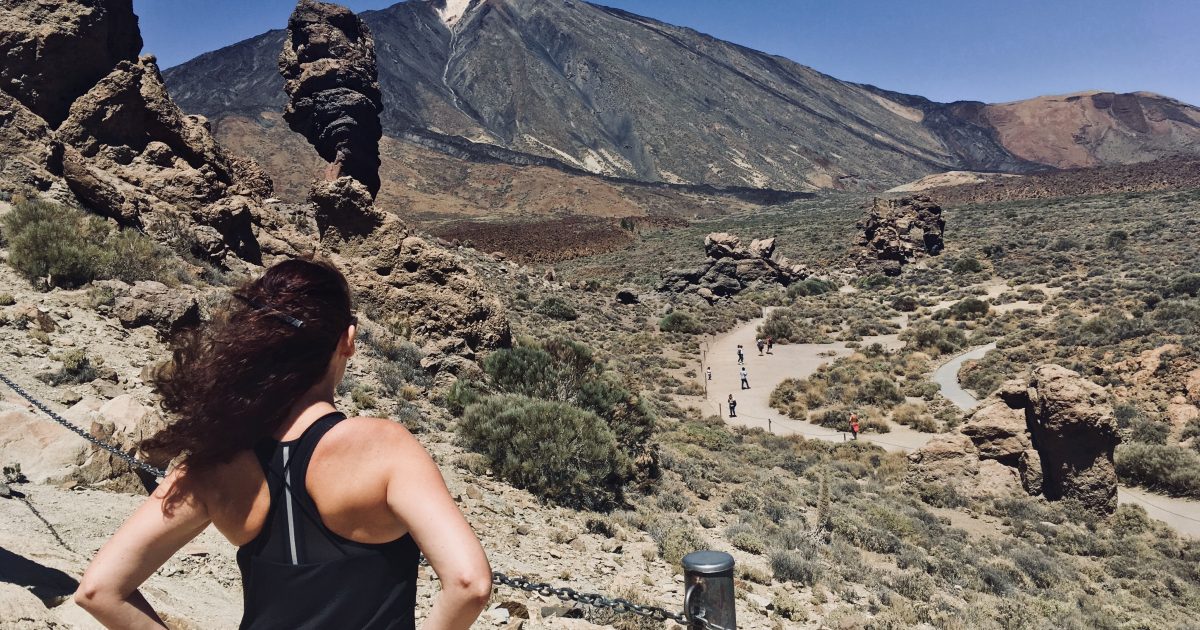
Tenerife
Tenerife is the largest and liveliest island. Its main advantage is diversity. During one vacation, you can enjoy beaches, mountains, and city walks. The southern part is classic for a relaxing stay by the sea. You’ll find more hotels, restaurants, bars, and long promenades here. The north of Tenerife tends to be quieter and more interesting for those who want to experience local life and greener, wilder landscapes.
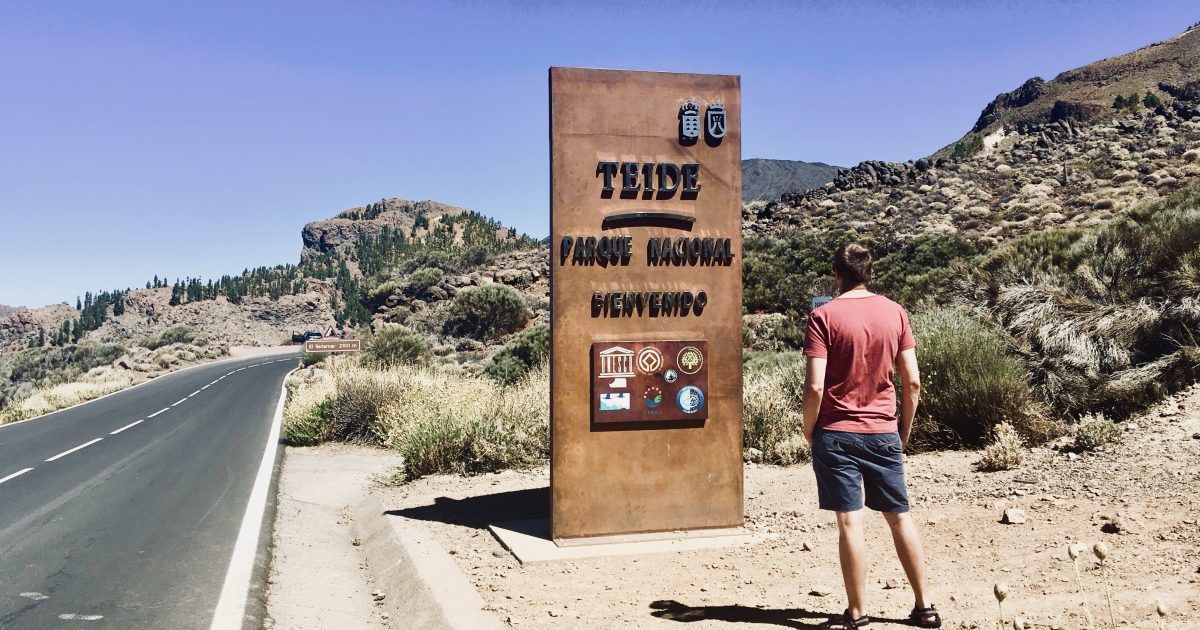
Tenerife – Teide
A major attraction is Teide National Park in the center of the island, home to the eponymous volcano and the highest mountain in Spain. However, Tenerife also has a cultural background. From the capital Santa Cruz de Tenerife to smaller villages hidden under mountain massifs.
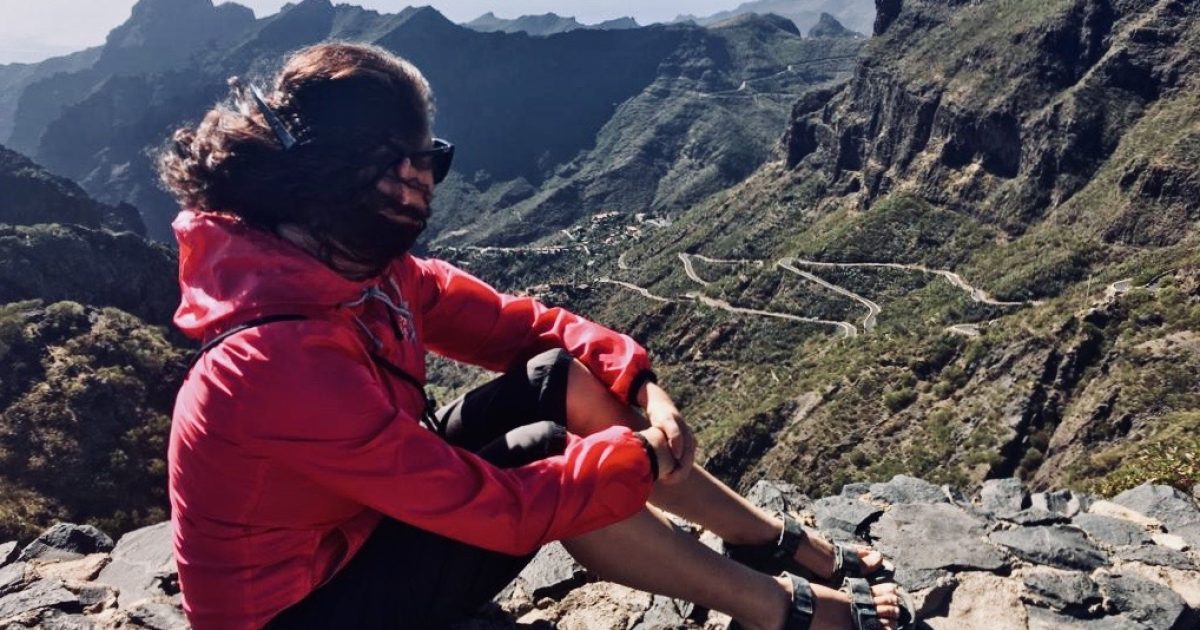
Tenerife – Masca
When to go to Tenerife? / Canary Islands weather
- You can visit Tenerife year-round. Winter is great for escaping to the sun (especially the south of the island), spring/autumn is ideal for combining beaches and hiking, and in summer, come to enjoy the variety of beaches.
Accommodation in Tenerife
- Apartments and private villas are popular. But you’ll also enjoy a nice holiday in hotels or resorts with services.
>> TOP 10 ACCOMMODATIONS IN TENERIFE
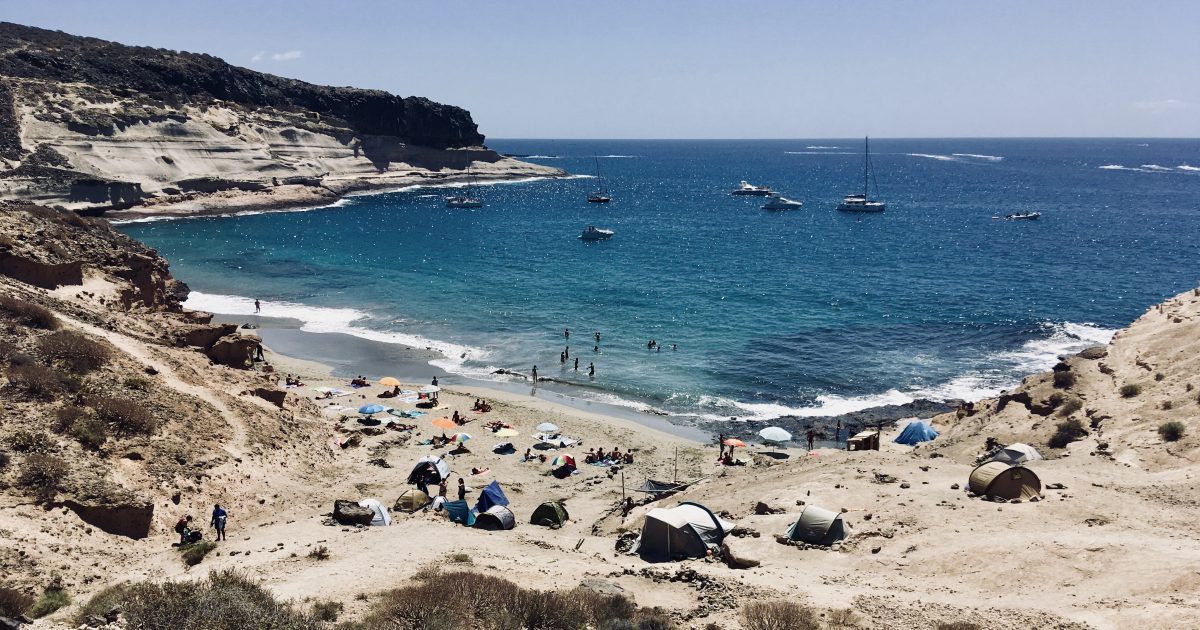
Tenerife
How to get around Tenerife?
-
Car: it’s worth it if you want to visit Teide, Anaga, Masca, viewpoints, and smaller villages. Often, it’s enough to rent a car for just 2-4 days in the middle of your stay. Personally, however, we recommend having a rented car for the entire duration of your stay.
-
Without a car: in tourist areas (especially in the south), buses work well, also between larger cities.
What to see in Tenerife?
- Los Gigantes – whale and dolphin watching
- Garachico – historic port town
- Anaga Mountains and wild coast, etc.
Get inspired by our trips that we personally took in Tenerife:
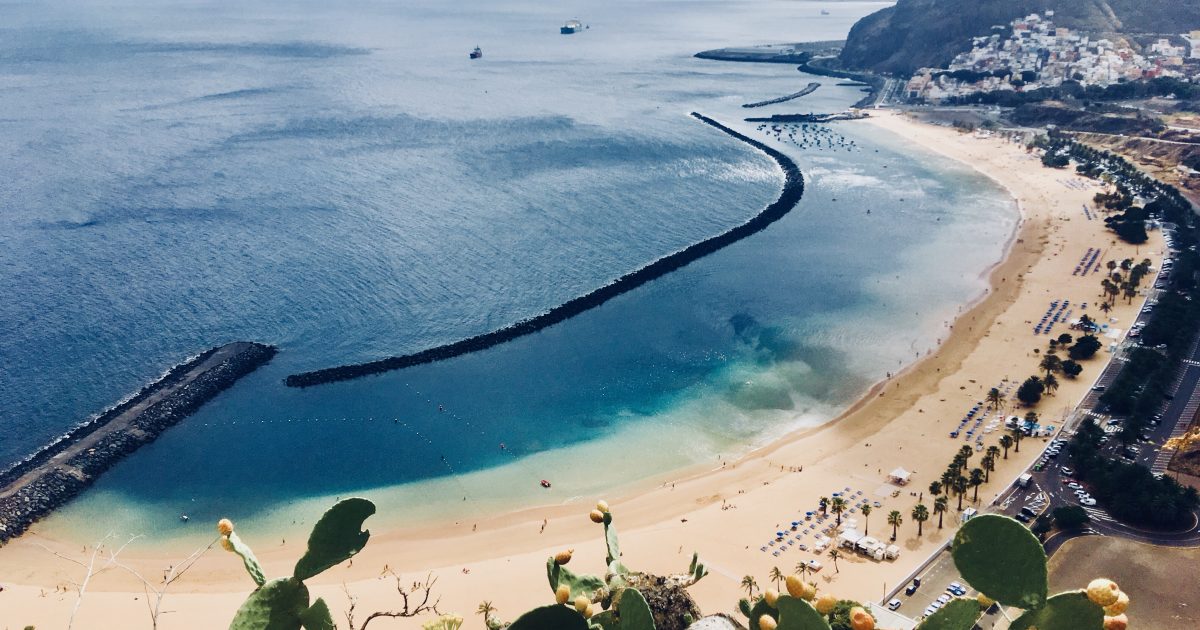
Tenerife
2. Gran Canaria: A mini continent with different climates
Gran Canaria Island is appreciated if you’re looking for nice beaches and city promenades for evening life. It’s also suitable if you want to plan a varied program with lots of nature excursions.
Gran Canaria is often described as a miniature continent. The reason is simple, the island has different microclimates and it’s enough to travel a few dozen kilometers for the weather and landscape to change. You’ll find a variety of beaches here, from long sandy ones to urban beaches with complete facilities, which are ideal especially for families with children.
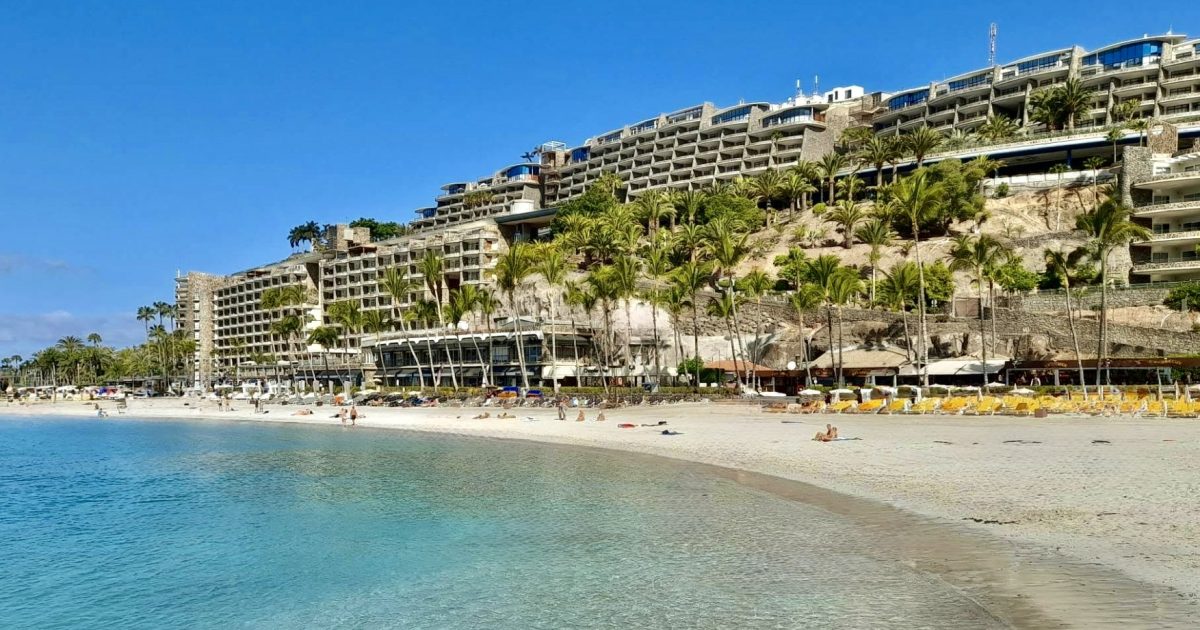
Gran Canaria
When to go to Gran Canaria / Canary Islands weather
- Just like Tenerife, you can visit Gran Canaria without hesitation year-round.
- Autumn is excellent for swimming, winter is ideal here for city holidays with pleasant temperatures and hiking trips. The summer season here tends to be very busy in tourist areas.
What to see in Gran Canaria?
- Well-known places include Playa del Inglés and the city beach Las Canteras in Las Palmas.
- A popular symbol of Gran Canaria island are also the Maspalomas dunes, which look like a small desert.
- For a pleasant change from a beach holiday, a trip to the port town of Puerto de Mogán is suitable.
- More active travelers also head to the interior of Gran Canaria – for example, to viewpoints and peaks around Pico de las Nieves.
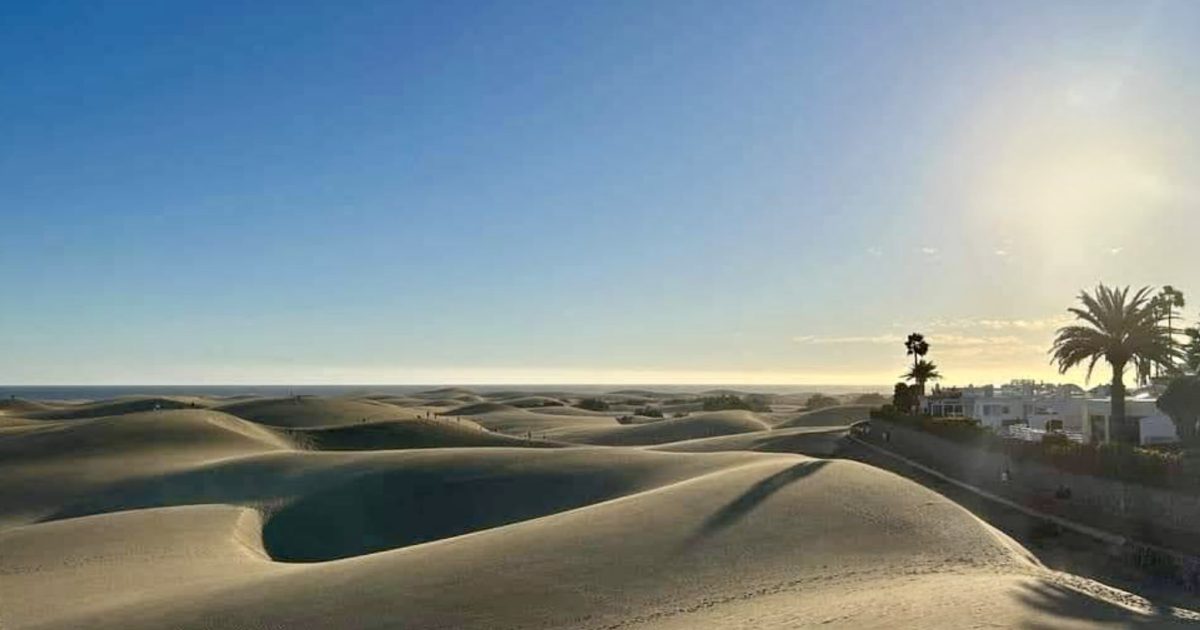
Gran Canaria – dunes
Transportation in Gran Canaria – Canary Islands
-
Car: it’s definitely worth it on Gran Canaria if you don’t want to stay in just one place in a resort (mountains, viewpoints, beaches, and villages). Personally, we can’t imagine a holiday in Gran Canaria without a car.
-
Without a car: if you’re satisfied with limited connection Las Palmas ↔ south, you can use this connection by bus. It’s true that for a typical holiday in the style of “beach + city”, a car is not necessary.
-
Taxi: it will be useful to write down a few verified phone numbers for Taxi at the hotel. They are practical for evening transfers within resorts and cities in Gran Canaria.
3. Fuerteventura: Long light beaches and a paradise for water sports
Fuerteventura is our favorite. This island was the first one we set out to explore in the Canary Islands years ago, and that was in the winter months. It’s suitable for both beach holidaymakers and kiteboarding or windsurfing enthusiasts. You’ll also enjoy trips to the center of the island.
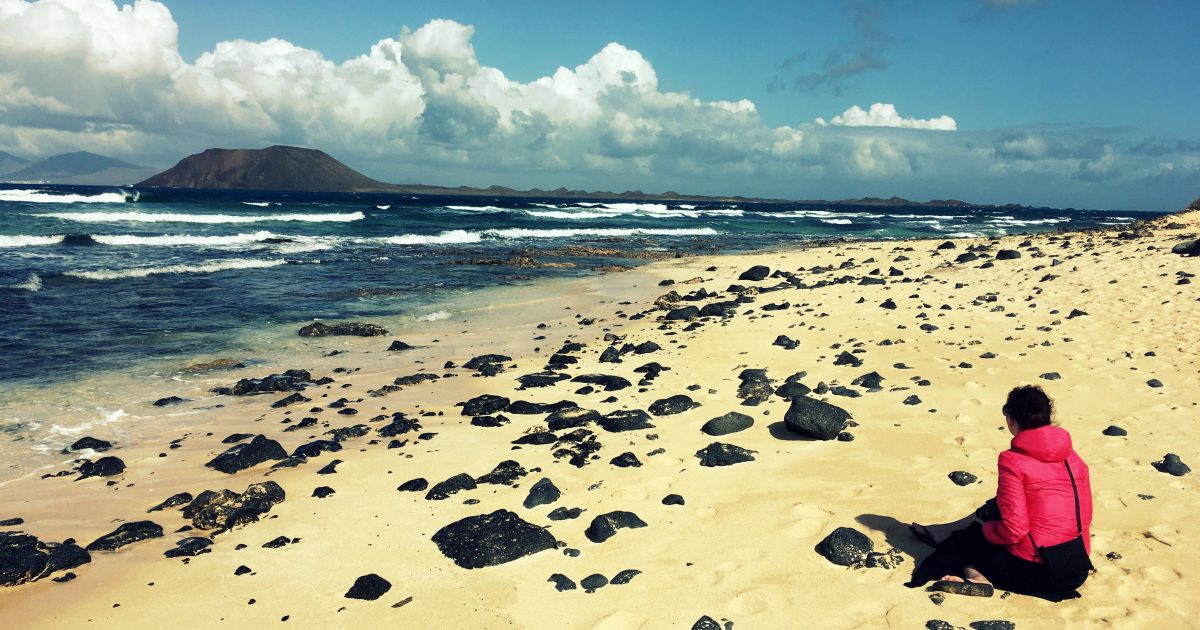
Fuerteventura – Corralejo
Fuerteventura is the longest of the Canary Islands and is known mainly for its beaches and sand dunes. Often wide, light and dark volcanic, and often endless. Thanks to its windier climate, it’s among the best Canary Islands for water sports, especially for windsurfing and kiteboarding, there are great conditions here.
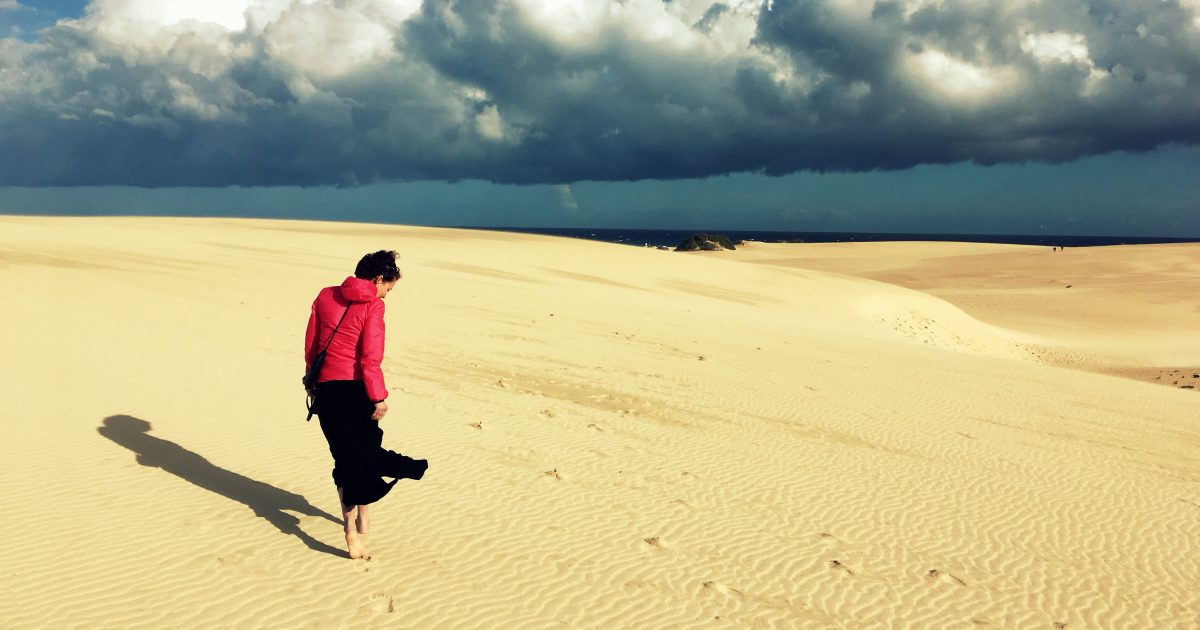
Fuerteventura – Corralejo Dunes
Unlike some other islands, you won’t find as many historical monuments here, but for many holidaymakers, this is more of an advantage. The main program here is the sea, beaches, and discovering the coast. With 136 km of coastline, you can go somewhere different every day, without feeling like you’re always going to the same place, which we personally love.
Accommodation in Fuerteventura
- Fuerteventura offers plenty of beautiful hotels and resorts. Holidaymakers who prefer accommodation in private apartments will also find what they’re looking for.
My accommodation tip:
HOTEL RIU PALACE TRES ISLAS 4* – CORRALEJO
>> Check availability and price of the hotel HERE
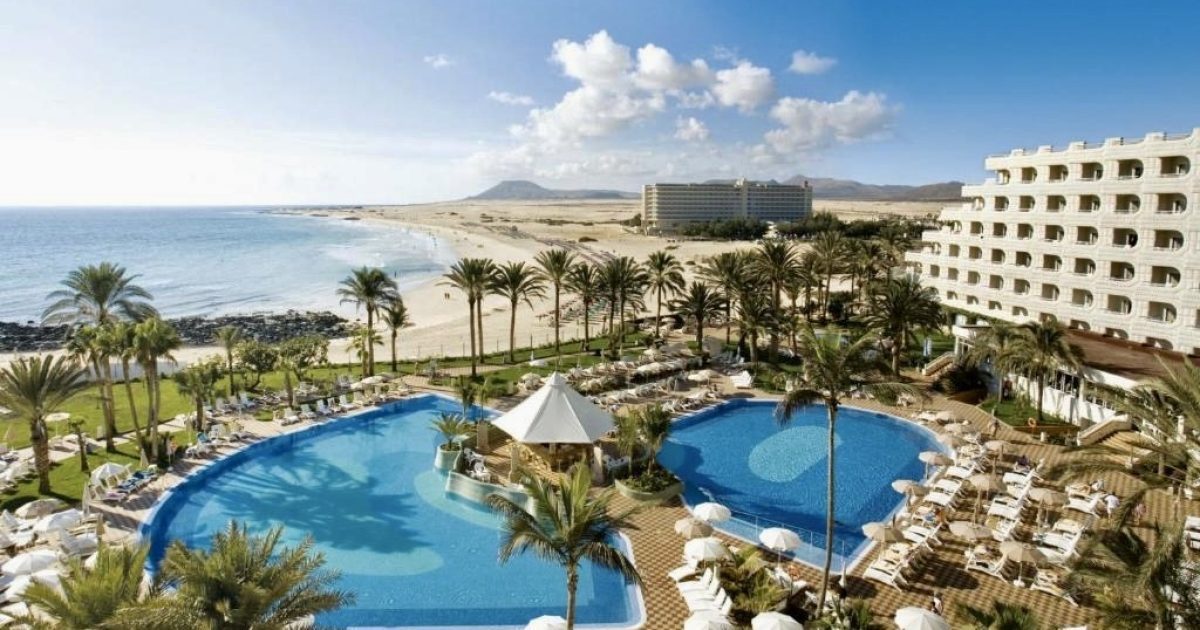
Hotel Riu Palace Tres Islas
When to go to Fuerteventura? / Canary Islands weather
- For a pleasant sightseeing holiday with minimal tourists, feel free to come here from autumn to spring. However, the most comfortable and sunny holiday awaits you from May to October. Personally, in February, we appreciated that some accommodations had the option to heat up. In the stone house where we stayed in the middle of the island, this option wasn’t available and we measured around 14 degrees at night.
- Keep in mind that in winter months, the weather can change and temperature differences between day and night can be particularly significant in the Mediterranean.
What to see in Fuerteventura?
- The town, beaches, and dunes of Corralejo in the north of the island
- The fishing village of El Cotillo and beautiful beaches
- The Faro del Tostón lighthouse with its mystical atmosphere
- The surroundings of La Oliva
Get inspired by my tips for trips on Fuerteventura island:
Transportation in Fuerteventura – Canary Islands
-
Car: without a car, you’ll practically stay in one place. The island is long, stops are far from interesting beaches, and connections are not frequent. If you’re heading to Fuerteventura, definitely reserve a car. Otherwise, you’ll be dependent on organized trips, which we personally don’t favor.
-
Specifics of traveling in Fuerteventura: some iconic beaches lead along worse roads, so always respect the signs and conditions. For remote beaches, it makes sense to have a 4×4.
4. Lanzarote: Island of volcanoes and “lunar” landscape
Head to Lanzarote island if you’re a lover of volcanic scenery, nature, and car trips. The island will also be appreciated by passionate photographers. You can also come here for a day trip from Fuerteventura, or combine your holiday by ferry on these two islands.
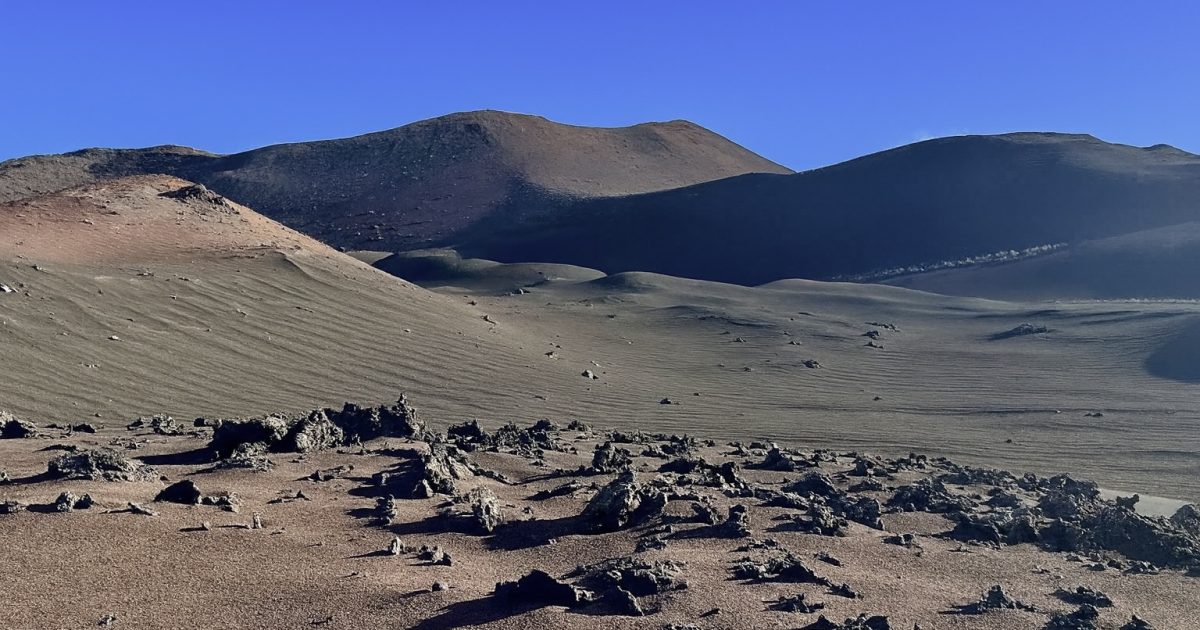
Lanzarote is the easternmost of the main islands and feels completely different from the “green” Canary Islands. The volcanic landscape here is striking, minimalist, and often reminiscent of the lunar surface. The island is also designated as a UNESCO Biosphere Reserve, so there’s more focus on landscape protection and sensitive construction than, for example, on Gran Canaria.
Lanzarote
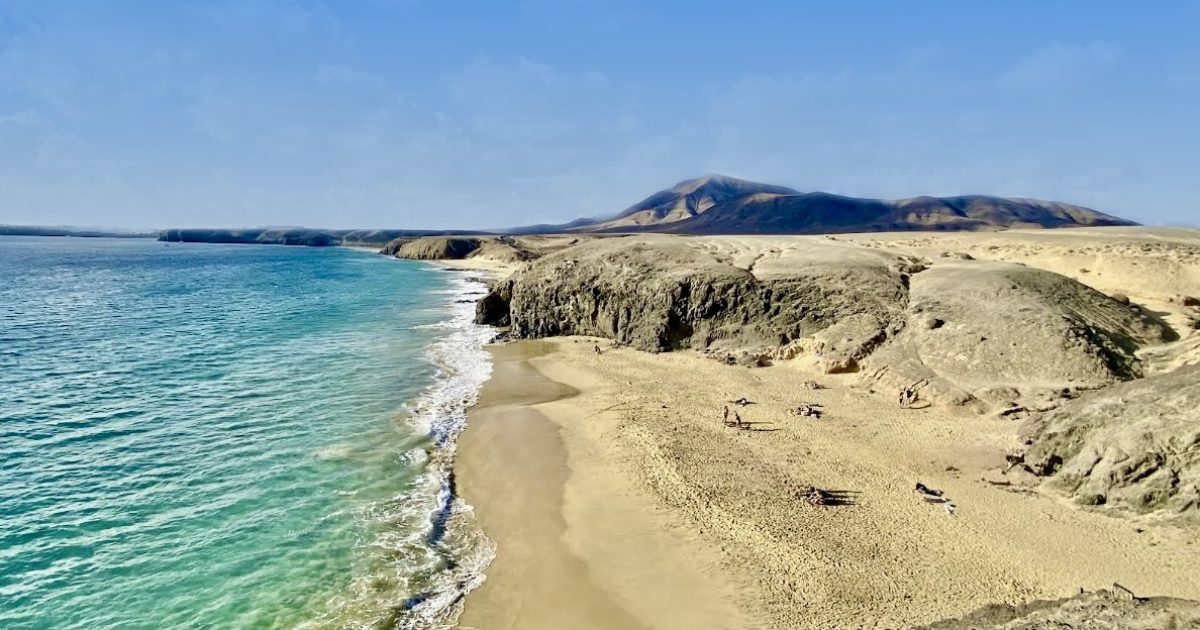
For a beach holiday, people most often go to resorts in the south and east of the island on Lanzarote. Popular ones include Puerto del Carmen or Playa Blanca. But if you want to get the most out of Lanzarote, I recommend renting a car and going on trips. Among the biggest attractions are Timanfaya National Park and coastal sceneries, such as El Golfo.
When to go to Lanzarote? / Canary Islands weather
- The best time to visit Lanzarote is spring and autumn in our opinion. The weather is pleasant for trips and it’s not as hot as in summer when you should expect wind and dryness.
Transportation in Lanzarote – Canary Islands
- Car: is usually the best choice in Lanzarote. The island is great for trips and many places are difficult to reach without a car (or only through organized trips).
Lanzarote
What to see in Lanzarote?
- Timanfaya (Montañas del Fuego) – probably the most breathtaking volcanic experience in the Canaries
- Mirador del Río – viewpoint of La Graciosa and the northern coast of Lanzarote.
- Papagayo Beaches – turquoise bays and swimming. I recommend visiting outside the main tourist season.
- La Geria (wine region) – vineyards in volcanic sand on Lanzarote, tastings and views. A somewhat different experience than offered by other large Canary Islands.
5. La Palma: Green island for hiking lovers
Are you a lover of hiking and mountain treks? Then choose La Palma island for your trip to the Canary Islands, which will enchant you with more than one breathtaking view and ranks among the quieter islands.
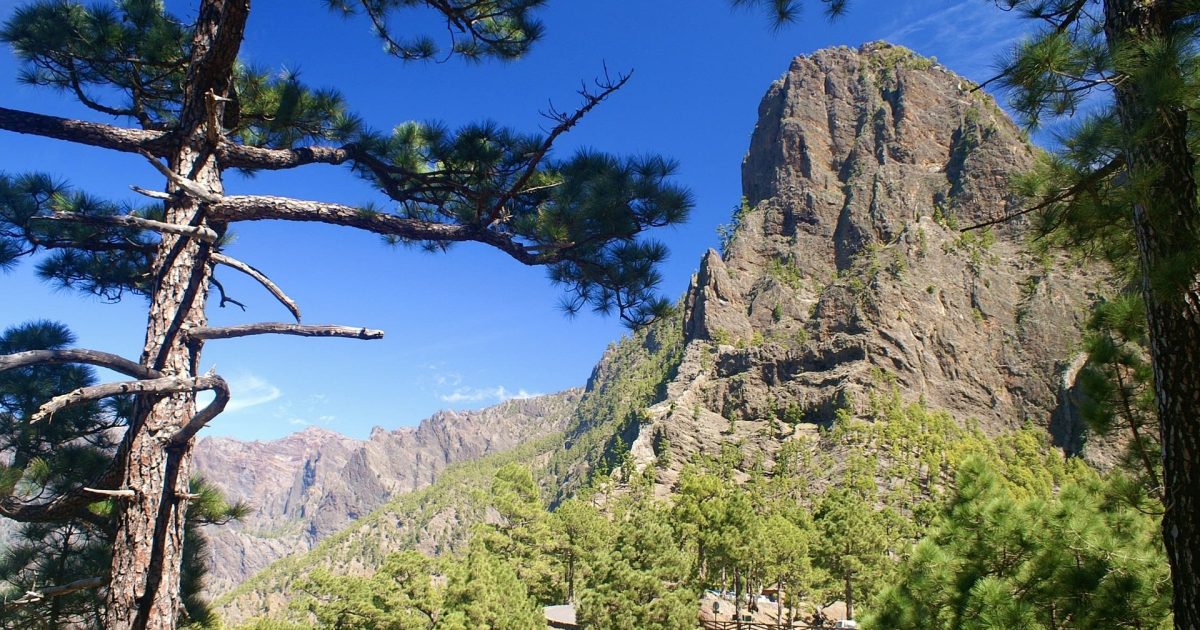
La Palma is often referred to as the green island, and rightly so. The terrain here is often steeper, the landscape significantly greener, and the island is known for its well-maintained hiking trails. There are beaches here, but most visitors come mainly for nature and mountain treks. Quality footwear and hiking equipment are a must on La Palma.
La Palma
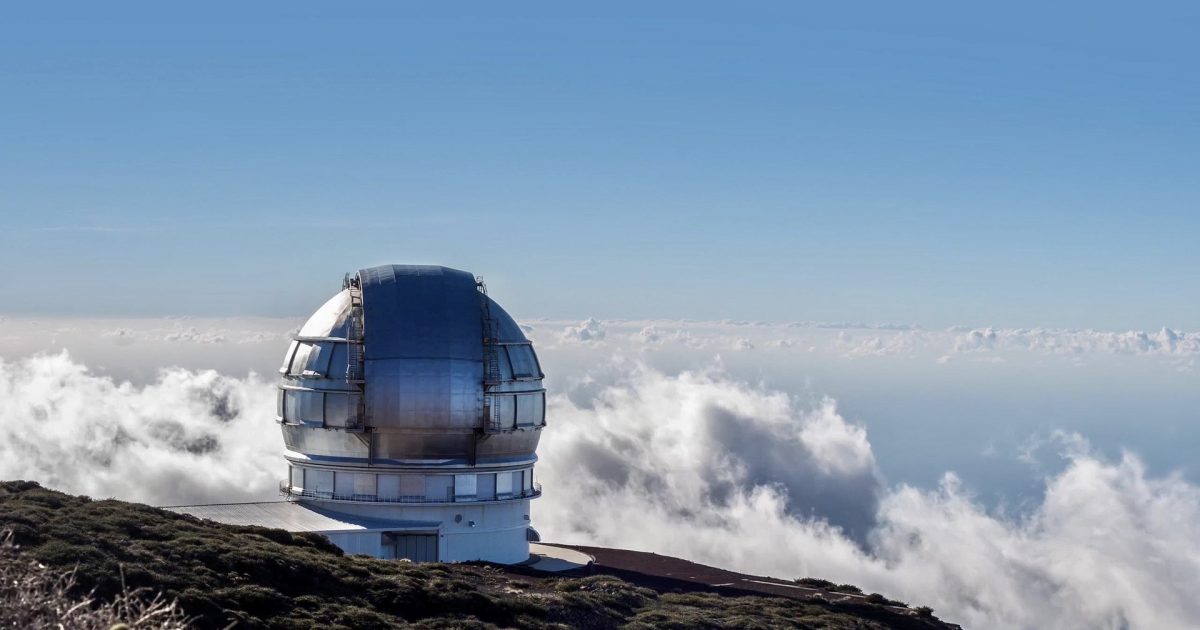
An interesting feature is also the observatory on one of the peaks. La Palma has excellent conditions for observing the night sky. After a day in nature, it’s worth relaxing in smaller towns and villages, where you’ll come across traditional houses from 17. and the 18th century, as well as local products, including traditional wine.
La Palma
When to go to La Palma? / Canary Islands weather
- November–April is considered the best months to visit La Palma if you’re coming for hiking (without summer heat). It’s also possible in summer, but expect more people and heat.
Transportation in La Palma – Canary Islands
- Car: is very suitable on La Palma, due to elevation differences and viewpoints
-
Without a car: it’s possible, but you need to plan according to the timetables. In the evening and off the main routes, it is more limited on La Palma.
-
Taxi: good for “one-way” tours (get a ride to the start, walk down, return by bus/taxi)
What to see and do in La Palma?
- Caldera de Taburiente – hikes into the crater and dramatic nature
- Night sky observation – often the best experience of the entire trip to La Palma
- Los Tilos – laurel forest and so-called green treks in the northeastern part of La Palma
- Ruta de los Volcanes (Cumbre Vieja) – one of the best ridge hikes in the Canary Islands – physical fitness required
6. La Gomera: small, mountainous and surprisingly addictive
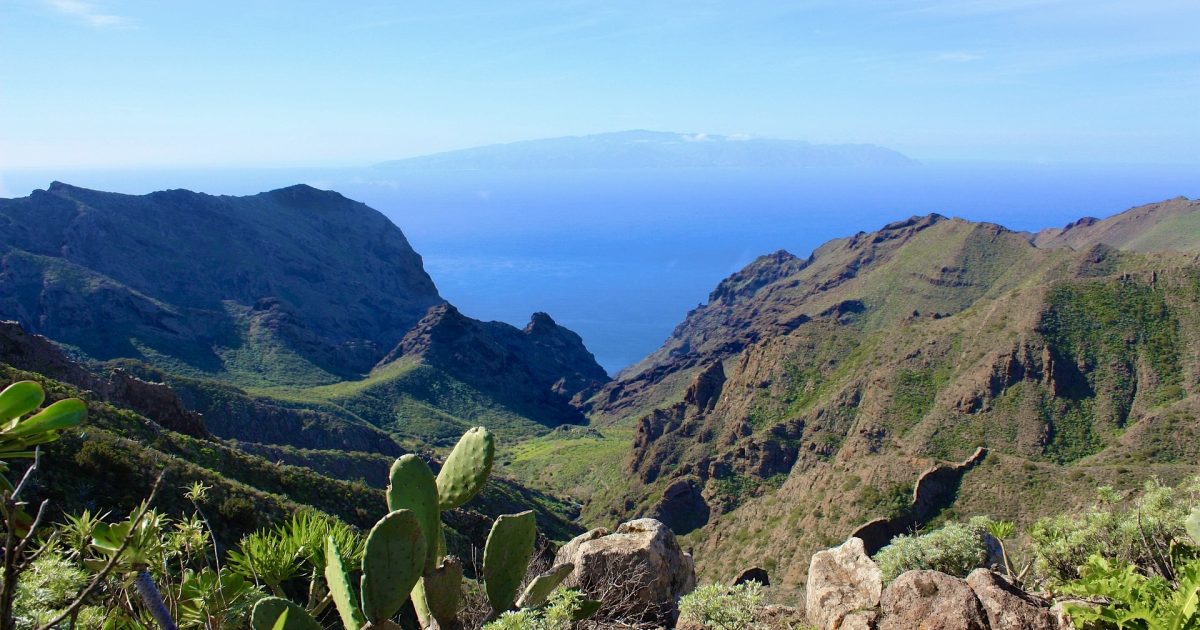
Visit La Gomera if you love peace, nature and short transfers between trips. You will be thrilled if you love hiking. La Gomera is one of the smaller Canary Islands and has a distinctly mountainous profile. The distances are short here, but the elevation gain makes ordinary routes longer trips. And that is the main reason why many vacationers come here. The island naturally switches you to a slower pace.
La Gomera
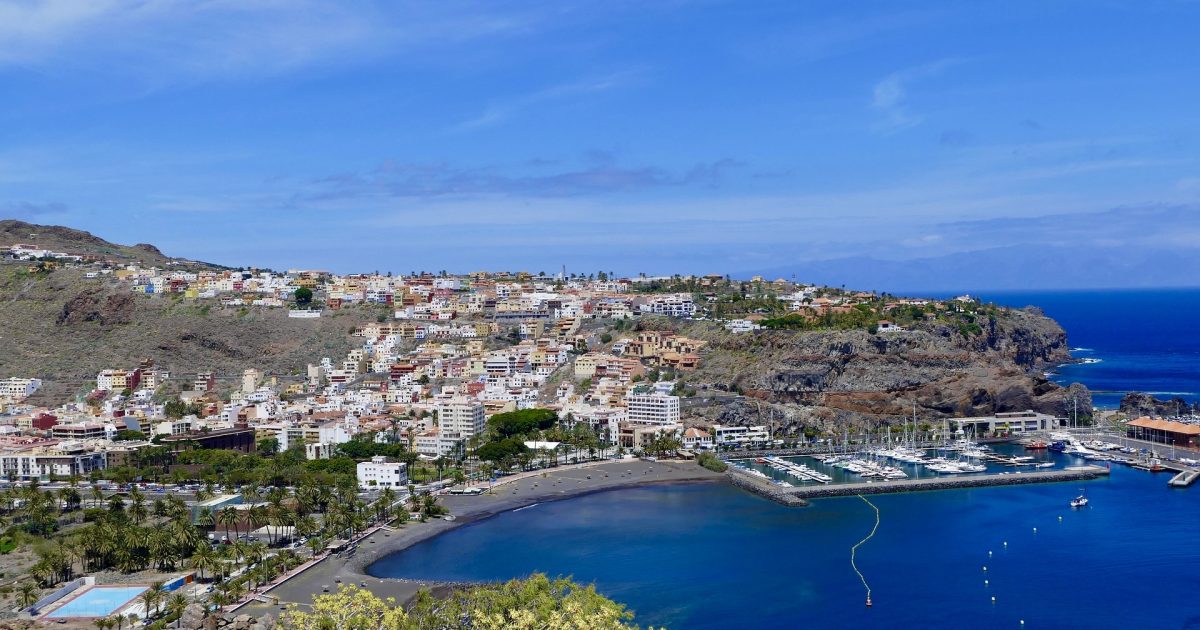
Green forests, steep ridges and views that make you feel like you’re not even in the Canary Islands dominate here. However, you will also find several beaches, which are often with black sand or volcanic gravel. If you are looking for an island where you walk more and rush less, La Gomera is an excellent choice.
La Gomera
What to see and do in La Gomera?
- Garajonay National Park – laurel forests and short and all-day trails.
- Valle Gran Rey – beautiful coastline and breathtaking sunsets
- Viewpoints and roads in the mountains (e.g. Roques / Miradores) – the island of La Gomera is ideal for short stops. But most of the time you will be so thrilled that you will spend the whole day on them.
7. El Hierro: the end of the world for those vacationers who want to switch off
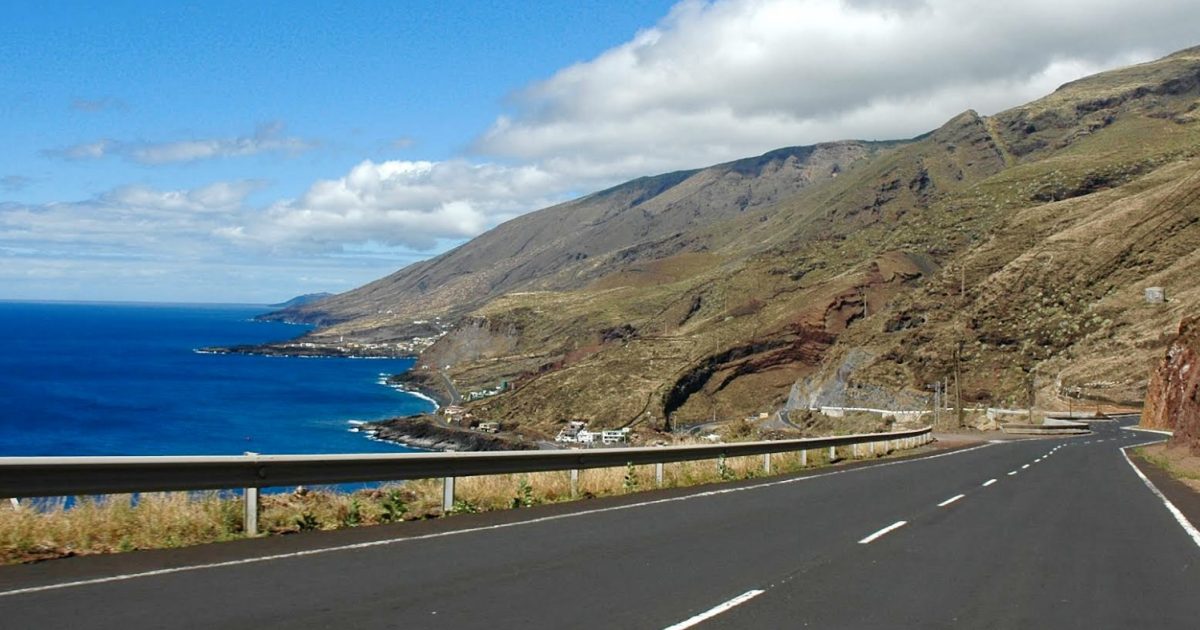
Would you like to switch off from the daily hustle and bustle and work? Head to El Hierro, which is often called the end of the world. It is ideal for vacationers who appreciate peace, beautiful nature and a minimum of tourists. So don’t expect a developed tourist infrastructure. A car is practically a must here.
El Hierro is one of the least visited Canary Islands and, as I mentioned, is often called the “island at the end of the world”. It is not a place for bustling promenades and large resorts. It is an island for peace, hiking and relaxation in a landscape that has not yet been transformed into mass tourism. Take advantage of it!
The beaches here are often not typically deckchair-like, but are mostly natural, rocky bays or pools by the coast. If you enjoy places where you can discover something new every day in a small space, El Hierro can be exactly what you are looking for.
El Hierro
What to see and do in El Hierro?
- Natural pools (La Maceta / Charco Azul) – swimming in lava pools – I recommend it!
- Mirador de la Peña – the best views and a great stop on the way around the island.
- La Restinga and snorkeling/diving – clear water and rich marine life
8. La Graciosa: a small island, perfect for just a day or two
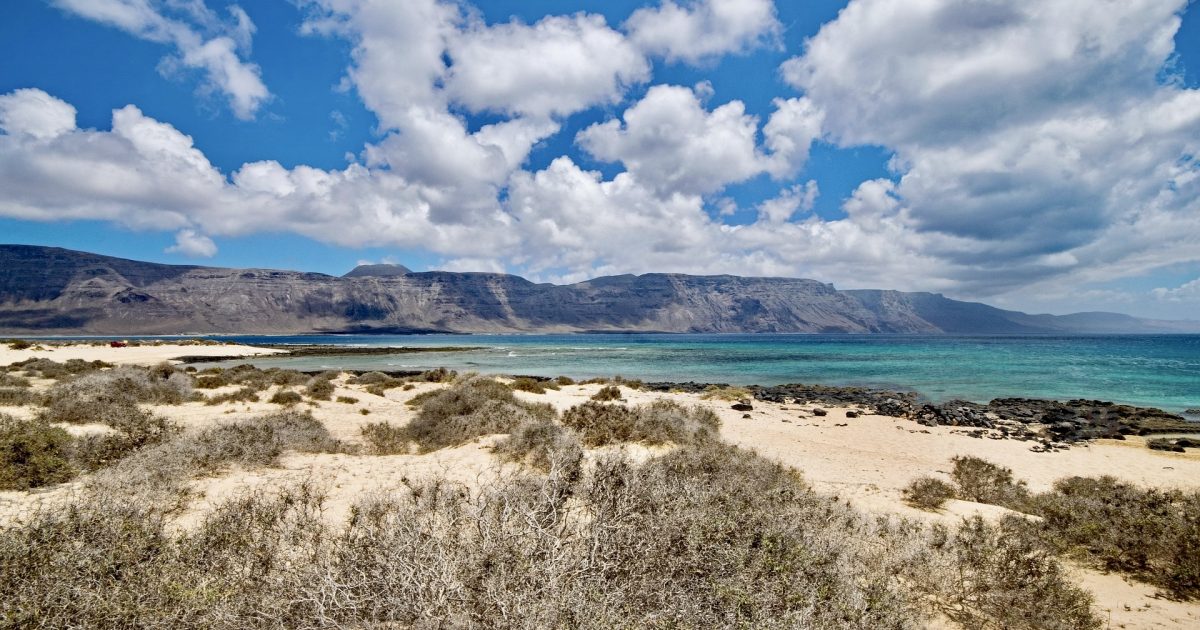
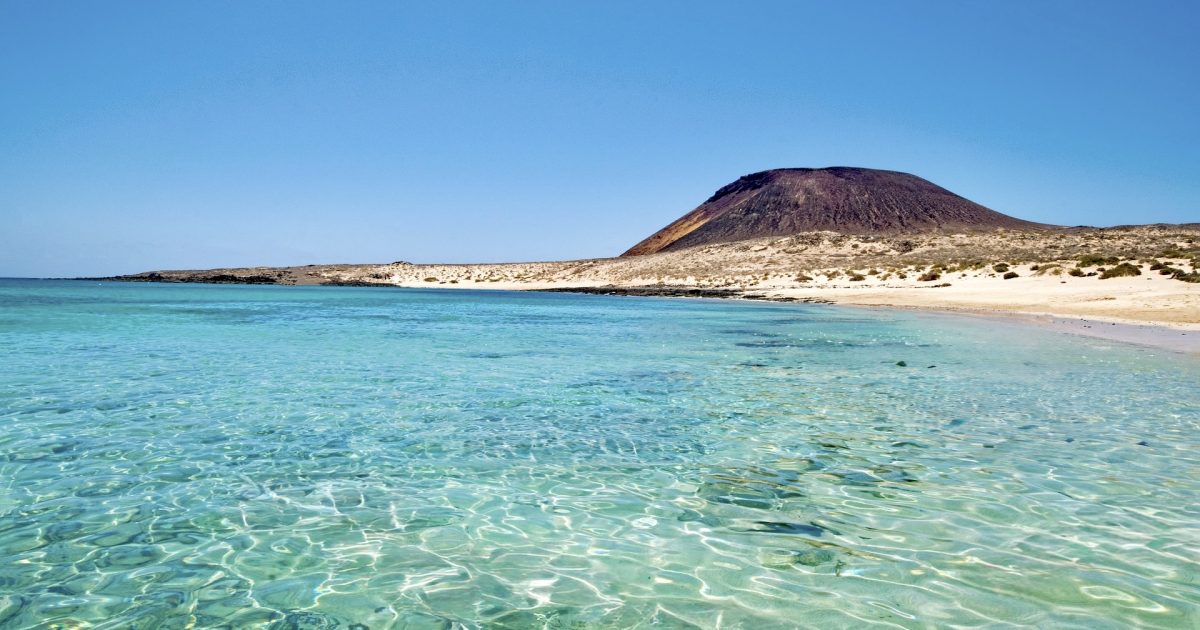
Take a one or two-day trip to enjoy the peace by the sea, great snorkeling, and a slightly different Canary Islands experience. La Graciosa is located near Lanzarote. It’s small, covering just a few dozen square kilometers, and feels like a completely different world. Craters rise over the landscape, reminding you of the island’s volcanic origin, and the water is often clear and turquoise.
La Graciosa
This small island (about 29 km²), with only around 700 inhabitants, is said to have been officially inhabited only since 2018. It’s best to arrange accommodation in advance, as there aren’t many options available.
La Graciosa is ideal if you want to slow down for a bit and spend a day on the beach, or enjoy some pleasant snorkeling. And if it feels too quiet for a longer stay, it’s very easy to visit as a boat trip while staying on Lanzarote.
{%CAPTION%}
What to see and experience on La Graciosa?
- Playa de las Conchas – one of the most beautiful beaches. However, it can be windy, and watch out for currents!
- Bike trip across sandy paths (Playa Francesa and surroundings) – the ideal way to explore the island. Forget about cars here.
- Caleta de Sebo – the island’s base. You can grab a simple meal here, there’s a harbor, and it has a traditional atmosphere.
Canary Islands weather / When to visit which island?
The Canary Islands have a mild climate year-round, but they are not all the same. Generally speaking:
-
East (Lanzarote, Fuerteventura) is drier, windier, and more desert-like.
-
West (La Palma, La Gomera, El Hierro) is greener, wetter, and ideal for hiking.
-
Tenerife and Gran Canaria are a mix of all the islands. It significantly depends on whether you’re in the north (cooler, more clouds) or the south (more stable sunny weather).
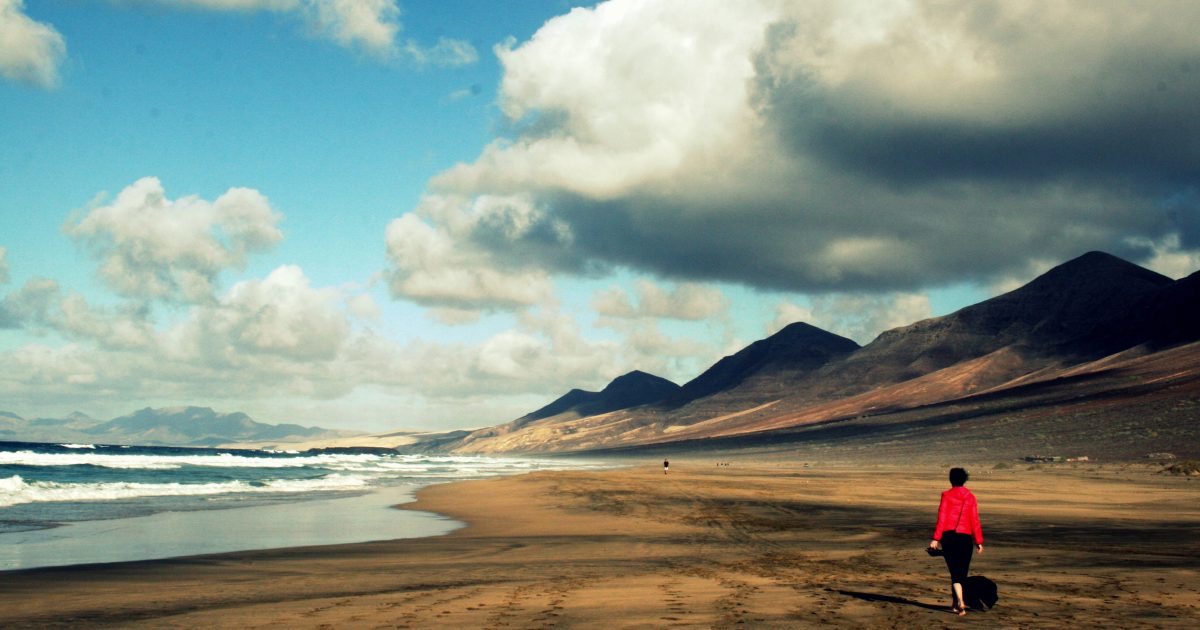
Fuerteventura – Cofete
Canary Islands weather – Which island to choose and when to visit based on the type of vacation
-
Beaches and swimming: the most pleasant time is May–October. I consider September–October to be great months (warmer ocean, fewer people than in summer).
-
Hiking and active vacation: ideally November–April (less heat, better conditions for hiking).
-
Escape to winter sun (when it’s winter at home): December–March, but expect a cooler ocean and occasional wind.
-
Wind and water sports (kite/windsurf): often strongest in summer (June–August), but you can enjoy the wind on the eastern islands even outside the main season.
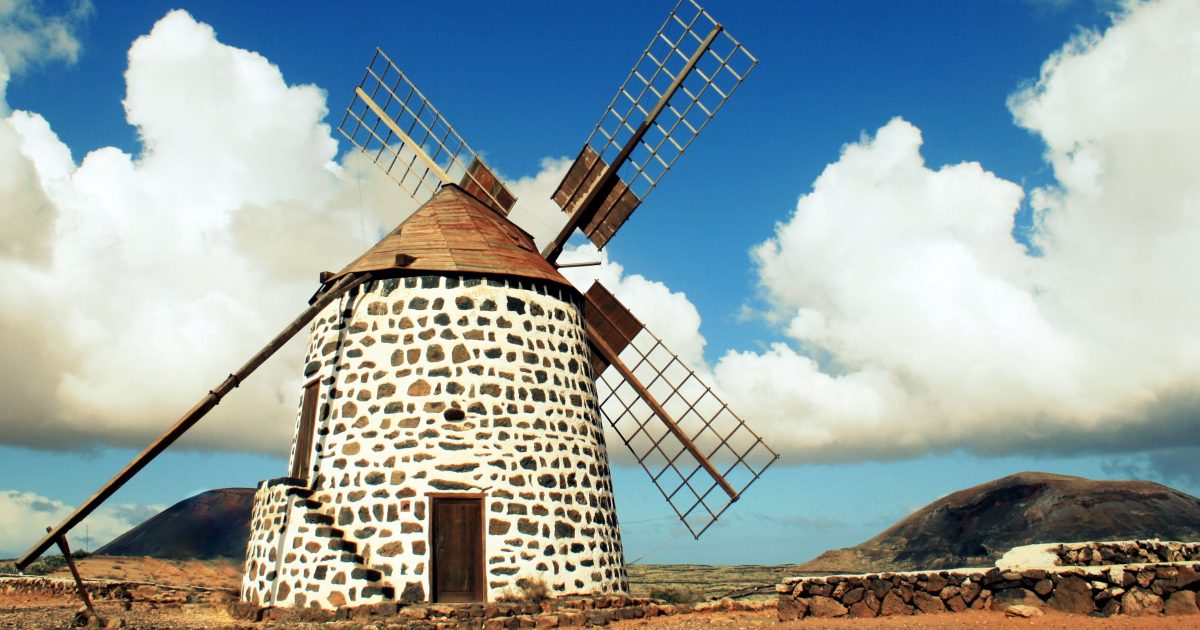
Fuerteventura – La Oliva


